Hardware
parts list
Everything you need to build your own Millie Bot. Core components for compute and sensing, motor system for mobility, and power system to keep it all running.
Core Components
The brain and senses of the robot. A mini PC runs ROS2 for navigation and control, while LiDAR and depth camera provide environmental awareness. Two tablets handle the face display and remote control interface.
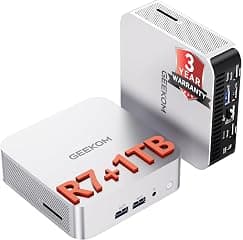
Mini PC
Main compute unit running Ubuntu 22.04 and ROS2 Humble.
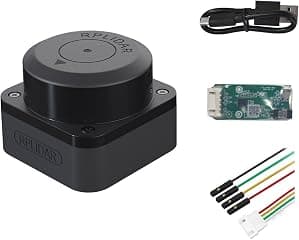
SLAMTEC C1 LiDAR
360° laser scanner with 12m range for mapping and navigation.
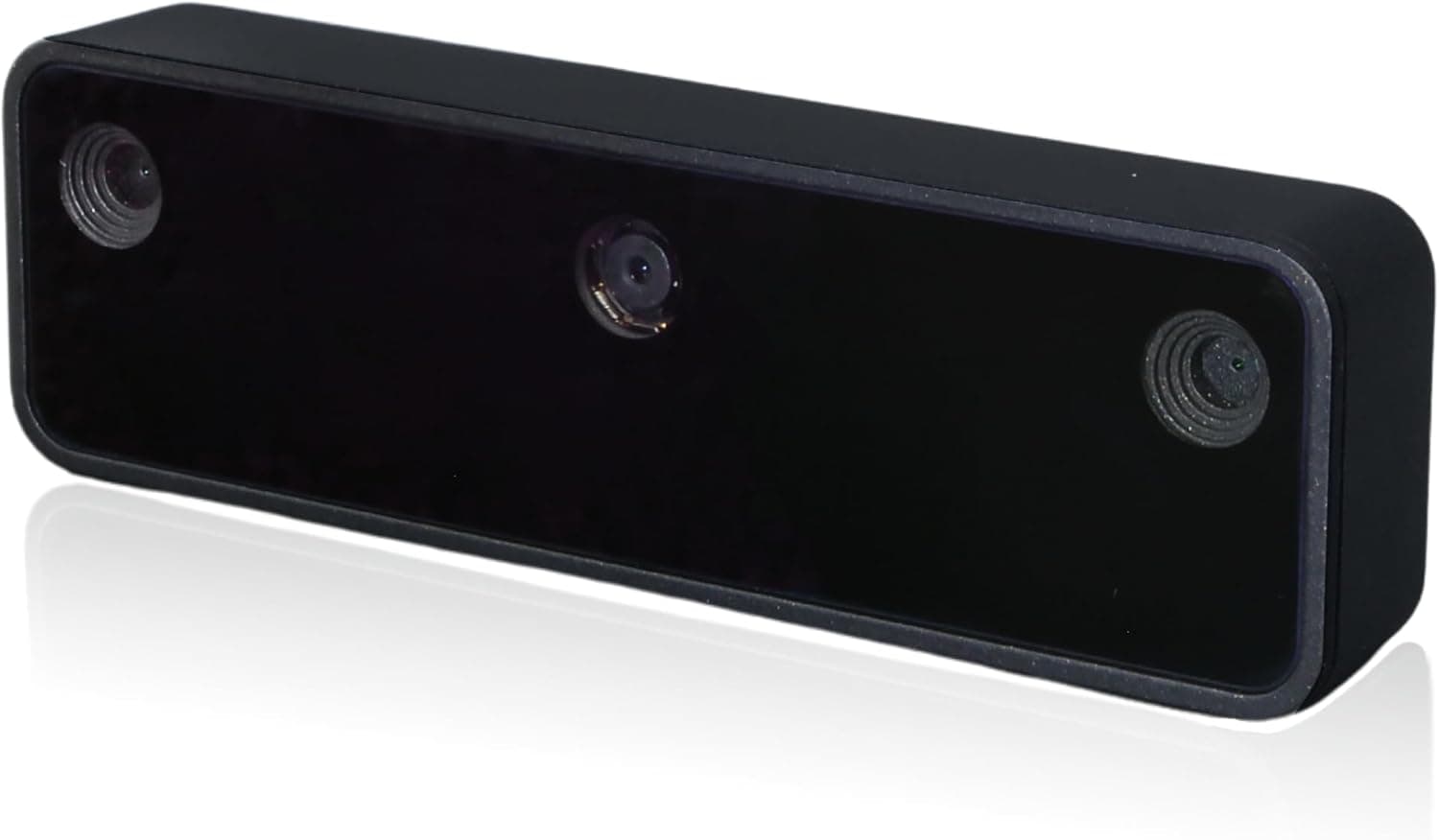
OAK-D Lite
Depth camera with on-device AI for person detection.
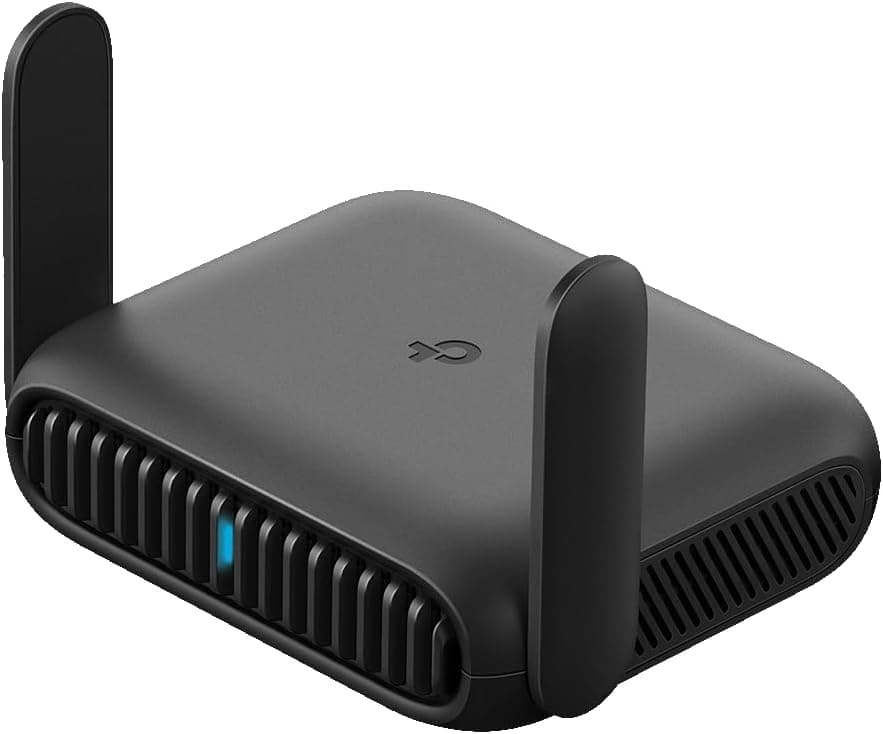
TP-Link AX1500
Travel router creating a dedicated robot network.

Face Tablet
Android tablet displaying the animated face and voice AI.
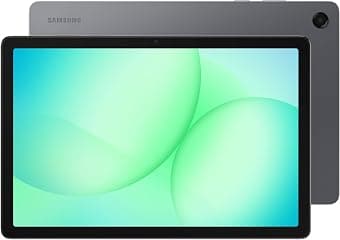
Control Tablet
Android tablet for remote control, mapping, and monitoring.
Drive System
Differential drive using two DC gear motors and omni wheels for smooth mobility. An Arduino Nano Every receives velocity commands from ROS2 over USB serial and outputs PWM signals to the motor drivers.
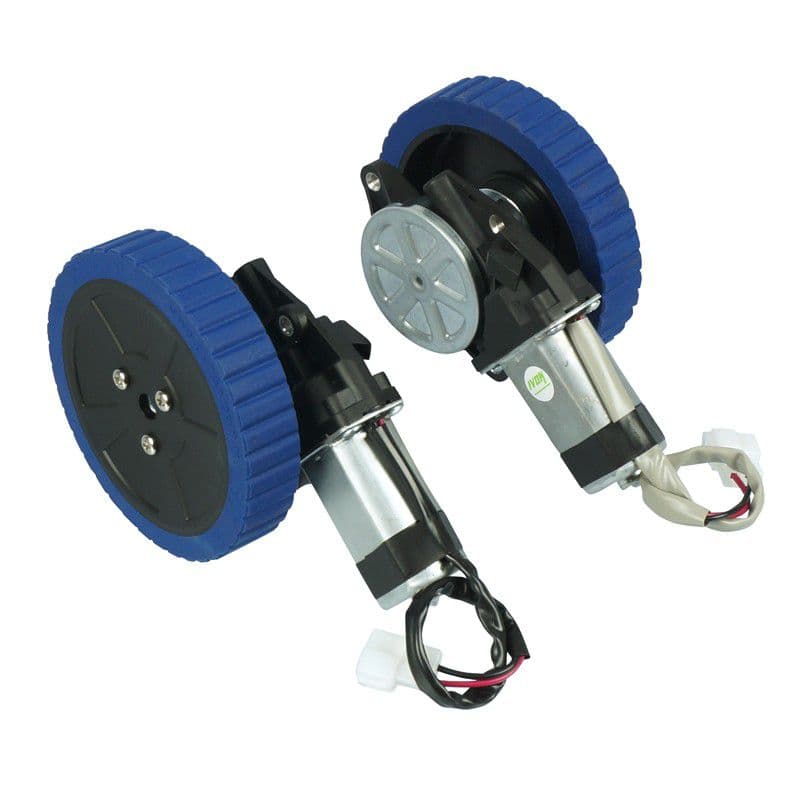
Wheel Motors
DC gear motors for differential drive mobility.
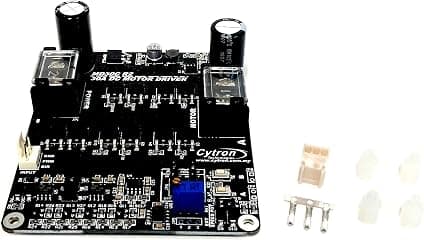
Motor Drivers
H-bridge motor controllers for bidirectional speed control.
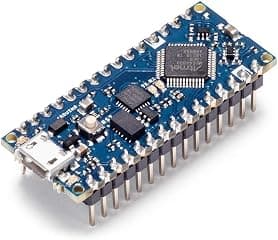
Arduino Nano Every
Microcontroller handling motor control via USB serial.
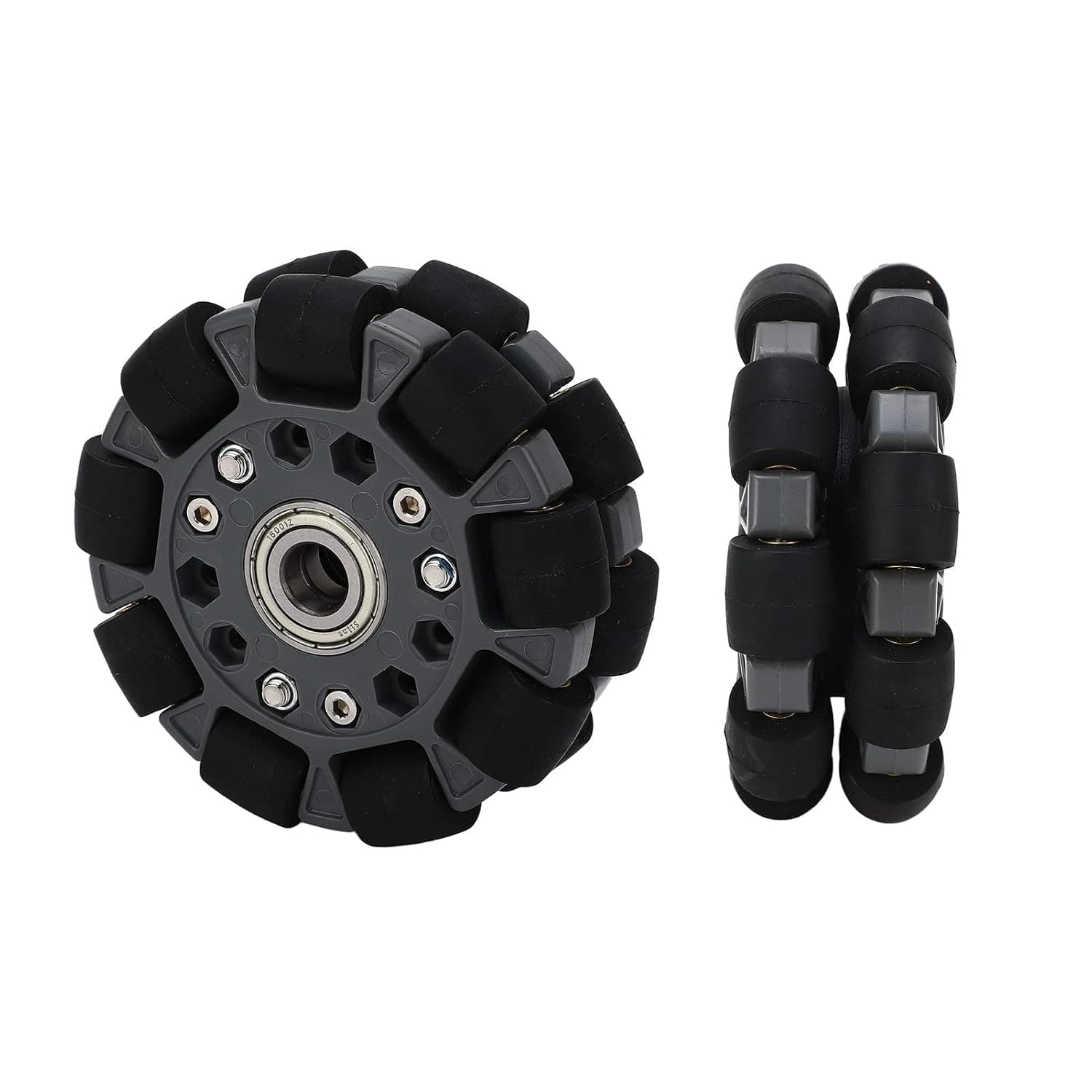
Omni Wheels
Multi-directional wheels enabling smooth movement in any direction.
Power System
A 12V battery powers the entire robot. Voltage converters step up to 19V for the mini PC and step down to 5V for tablets and electronics. Fuses protect each circuit, and USB ports allow charging external devices.

12V Battery
Main power source for the robot system.
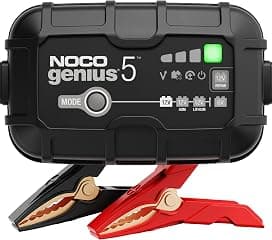
Battery Charger
Charger for the 12V battery.
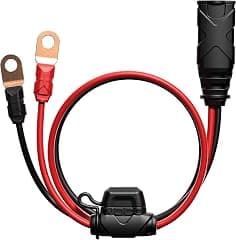
Battery Charger Cable
Charging cable with connector for the battery.
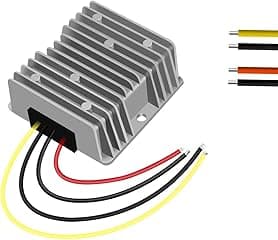
19V Converter
Step-up converter powering the mini PC.
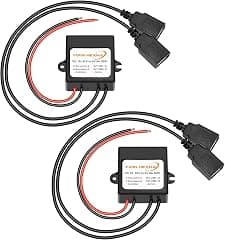
5V Converters
Buck converters for tablets and low-voltage components.
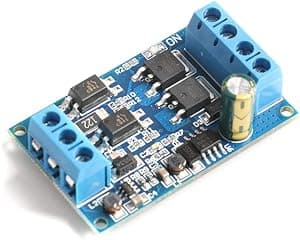
Power Switch
Main power disconnect switch.
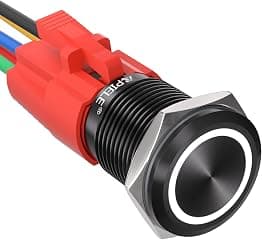
Power Button
Illuminated push button for power control.
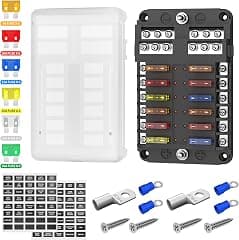
Fuse Box
Distribution panel with fused outputs for each subsystem.
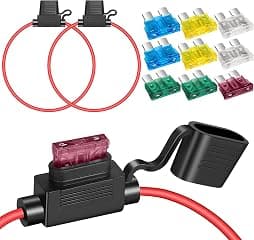
Inline Battery Fuse
Main fuse protecting the battery circuit.
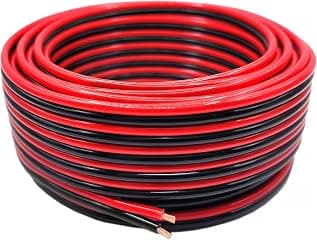
14AWG Cable
Power wiring for high-current connections.
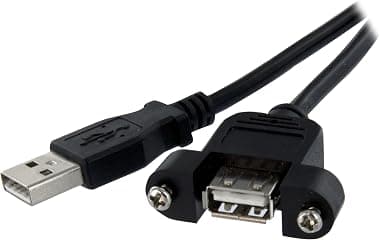
USB Port
USB-A charging port for devices.
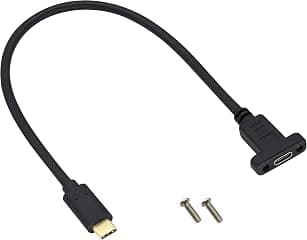
USB-C Port
USB-C charging port for devices.
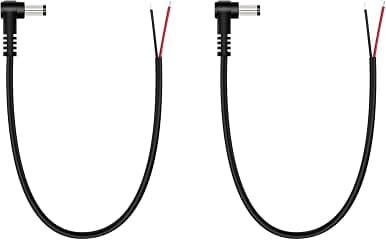
PC Power Plug
DC barrel connector for mini PC power input.
3D Print
The robot frame and enclosures are 3D printed. Use PLA or PETG filament and heat-set threaded inserts for strong, reusable bolt connections.
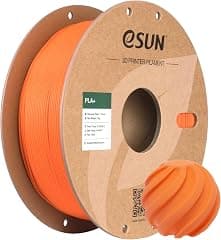
Print Filament
PLA or PETG filament for 3D printed parts.
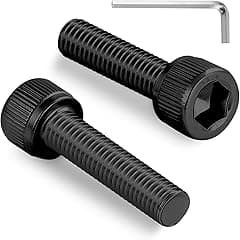
Hex Bolts
Fasteners for assembling printed components.
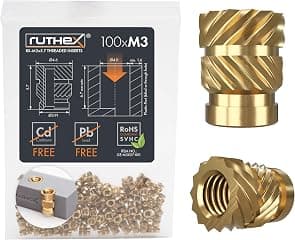
M3 Inserts
Heat-set threaded inserts for M3 bolts.
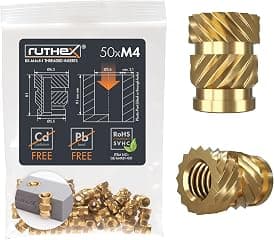
M4 Inserts
Heat-set threaded inserts for M4 bolts.